Appropriation Based Lease
by: Lance S. Holman
Many taxpayers are reluctant to vote for a tax rate increase to fund administrative facilities, schools, public safety buildings, and other infrastructure projects. Meanwhile, construction costs for fire stations, schools, and other facilities continue to rise due to escalating land, labor, and material costs — sometimes by millions of dollars.
The Old Way to fund capital projects involved applying for federal and state grants and utilizing municipal reserves; however, the federal grants issued to state and local governments and educational agencies (SLGEA’s) continue to decline as Congress prioritizes a larger share of its budget to the rising cost of healthcare, national defense, social security, and paying interest on the national debt. The result of which is crowding out grant programs for state and local governments.
Moreover, two years after passing the Tax Cut and Jobs Act (2017), that slowed federal tax revenues, Congress was forced to respond to the Covid-19 pandemic with trillions of dollars of additional spending, resulting in multi-trillion-dollar deficits, further depleting grant funds previously allocated to state and local governments.
Meanwhile, many SLGEA’s use a “Pay As You Go” strategy to fund capital projects, which involves building up reserves to pay for those projects. This once popular strategy is becoming far less beneficial as the cost of land, labor and materials continue to rise, effectively reducing the purchasing power and operating flexibility of the reserves.
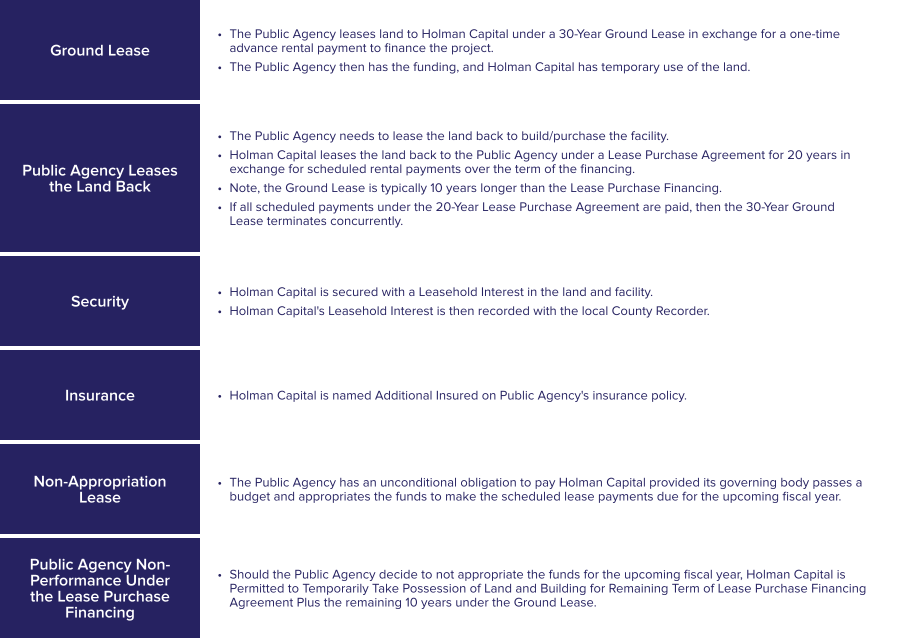
Many SLGEA's opt to finance essential purpose facilities through Lease/Leaseback Financing with an experienced direct lender to streamline the funding process, reduce the cost of issuance, and eliminate the need for rating agencies, trustees, and investment.
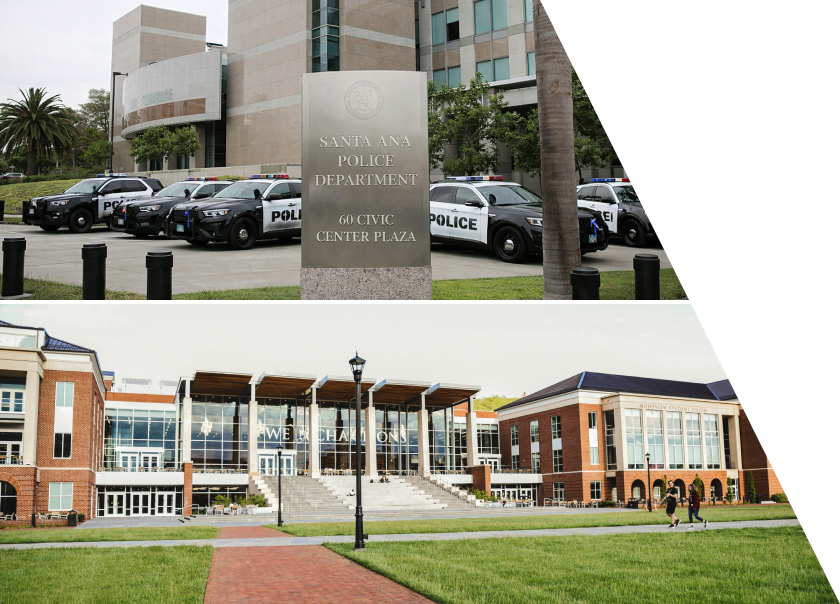
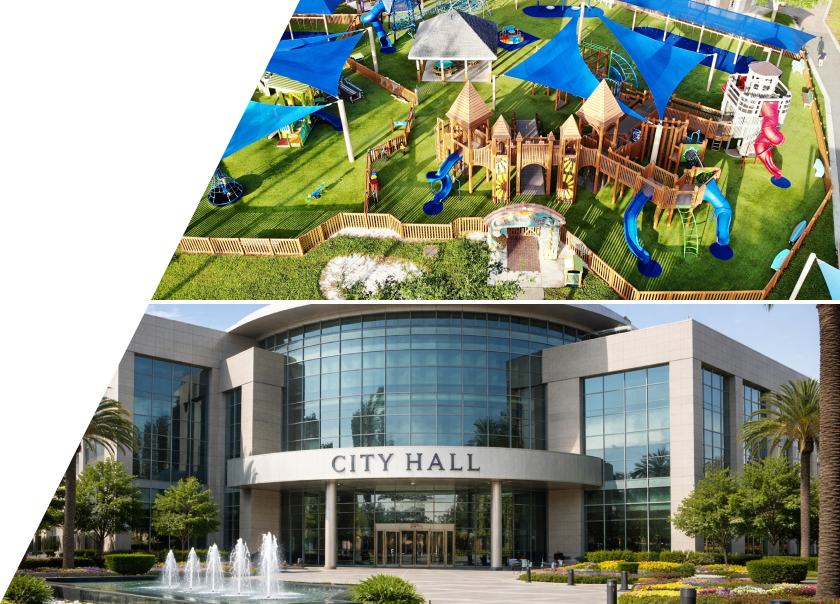
SLGEA’s can finance a wide range of facilities to meet their unique needs.
Example: A Public Agency would like to build a new $20,000,000 Fire Station and use the facility as collateral.